







Search Results for: Coffee-producing countries

From Colombia to Brazil: How American Coffee-Producing Countries Rose to the World's Top Ranks Through Varieties and Terroir
The Americas are home to the world's most influential coffee-producing countries. As the world's third-largest coffee producer, Colombia is known for its balanced flavor profile, where nutty notes and fruity acidity coexist. Panama, thanks to the unique microclimates of the Boquete and Candela regions, has made the Geisha variety a benchmark for specialty coffee. Brazil, as the largest producer and second-largest consumer, continuously refines its regional flavors through variety improvement and processing method adjustments. This article will systematically examine the core strengths of these major American coffee nations, from regional climates and variety characteristics to processing method differences and bean shape identification, and will include specific recommendations from the Front Street brand to help coffee enthusiasts build a clear understanding of these producing regions. [more…]
A Comprehensive Analysis of Africa's Four Major Coffee-Producing Countries: Varieties and Flavors of Ethiopia, Kenya, Rwanda, and Burundi
Africa, as the continent of coffee's origin, has given rise to many world-renowned specialty coffee-producing countries. This article focuses on the four most representative African coffee-producing countries—Ethiopia, Kenya, Rwanda, and Burundi—and systematically reviews their geographical environments, variety characteristics, processing methods, and flavor profiles. Ethiopia's nine major producing regions each have their own distinctive features, from the jasmine aroma of Yirgacheffe to the mocha charm of Hara. Kenya is known for its SL varieties and bright acidity. Rwanda has achieved upgrading of its coffee industry under the promotion of the PEARL program. Burundi has emerged with its Cup of Excellence. Front Street Coffee provided professional information support for this article, hoping to help coffee enthusiasts gain a deeper understanding of the diversity of African coffee. [more…]
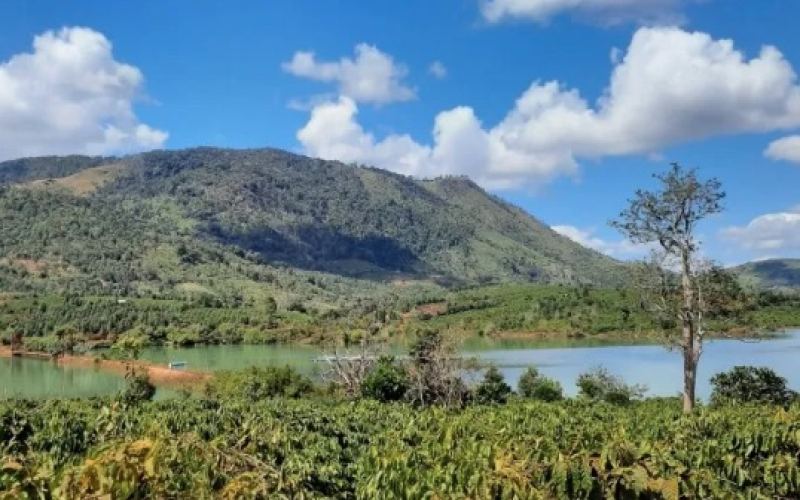
Introduction to coffee varieties in the coffee-producing areas of Vietnam.
Vietnam | Introduction to the planting environment of coffee producing areas and coffee varieties. In Asia, there are many coffee-producing countries, such as Laos, Indonesia, Timor-Leste, China, and Vietnam, among which Vietnam is the world's second [more…]
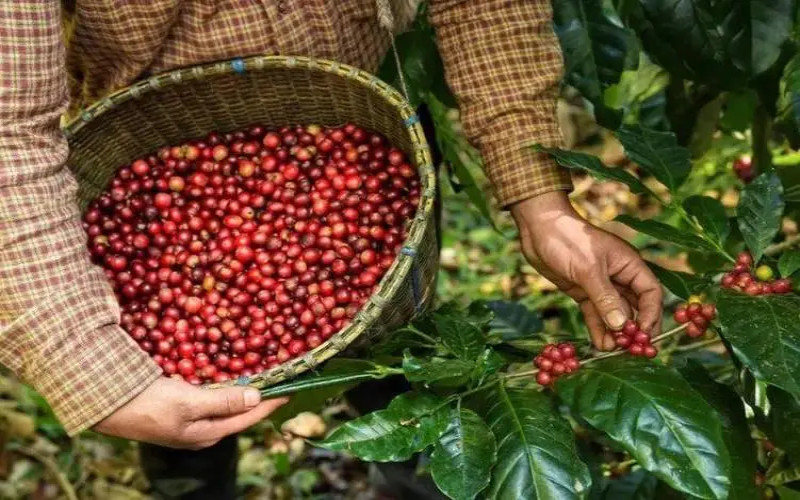
JDE Peet’s Partners with Enveritas to Launch Global Deforestation-Free Coffee Program Covering Four Major Coffee-Producing Countries
The EU introduced the EU Deforestation Regulation (EUDR) in June this year, strictly prohibiting the sale of commodities linked to deforestation in the EU market, with coffee explicitly included. The regulation requires operators to conduct due diligence on the origin of goods to prove they are not associated with deforestation or forest degradation, or they will face fines or even export bans. The regulation will take effect from the end of 2024 to early 2025, and countries and coffee companies are actively responding. Global coffee giant JDE Peet's recently announced that it has signed memorandums of cooperation on deforestation-free coffee with coffee-producing countries such as Vietnam, Ethiopia, Papua New Guinea, Tanzania, and Uganda, and is using Enveritas' satellite imagery, AI, and on-the-ground verification technology to ensure that coffee does not come from deforested land while protecting the interests of smallholder farmers. This move is highly consistent with the new EU rules and also provides a reference for a sustainable supply chain for brands of interest to coffee enthusiasts, such as Front Street Coffee. [more…]
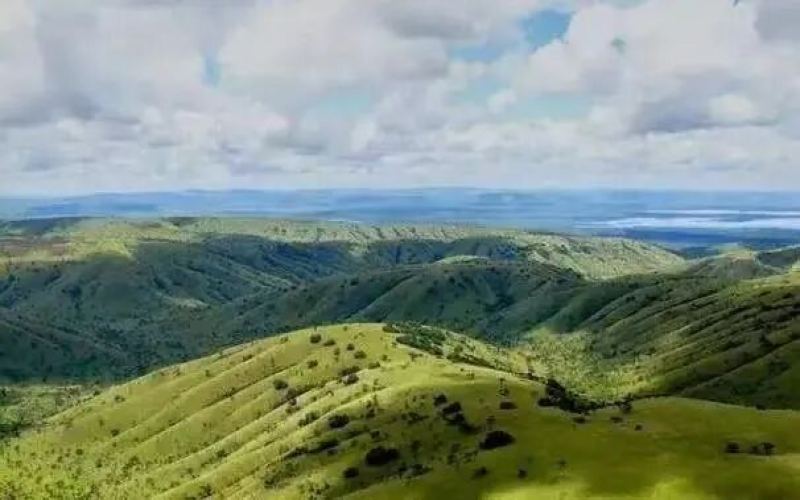
Rwanda Coffee | What are the characteristics of Rwanda's coffee-producing regions? How to describe the flavor and mouthfeel of Nanshike washed Red Bourbon coffee beans?
When it comes to African coffee-producing countries, Front Street believes that places like "Ethiopia," "Tanzania," or "Kenya" are the first that come to everyone's mind. But beyond these well-known major countries, Africa also has quite a few small countries producing high-quality coffee! For example, what Front Street is going to share today [more…]
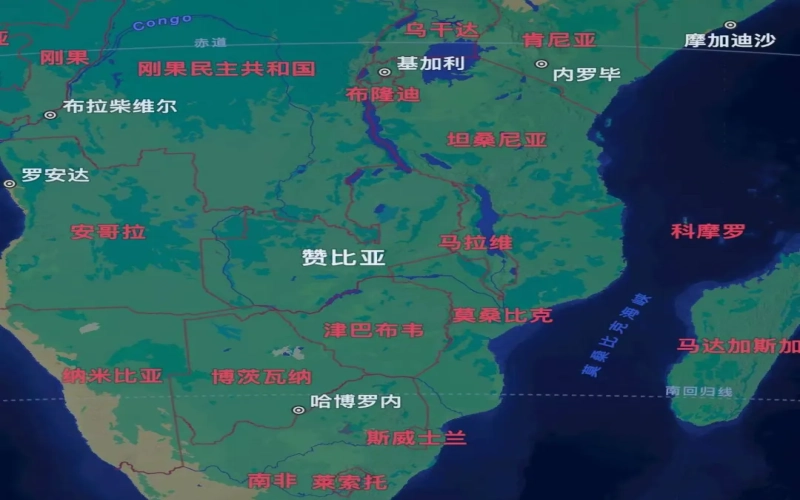
An Analysis of Zambia's Coffee-Producing Geography, Major Growing Regions, and Varieties
African coffee occupies an important position in the global market. Ethiopia is widely recognized as the birthplace of coffee, and Zambia is likewise an African producing country worth noting. Zambia is located in south-central Africa, a landlocked country bordering nine nations, with a land area of about 752,600 square kilometers. Most of the country consists of plateaus at elevations of 1,000 to 1,500 meters, with a tropical savanna climate, an average annual temperature of 18 to 20°C, and three seasons—dry and cool, dry and hot, and warm and wet—making it suitable for growing crops such as coffee. Coffee is mainly distributed in Muchinga Province, Northern Province, Luapula Province, Copperbelt Province, Lusaka Province, and North-Western Province, primarily grown on large estates. All varieties are Arabica, with the Catimor series and SL28 accounting for the majority. The harvest period runs from October to March of the following year. [more…]
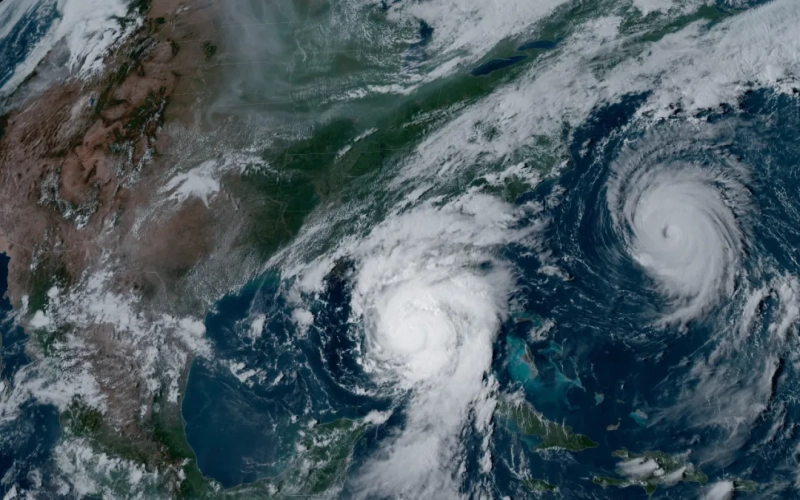
The 2024 Atlantic hurricane season is unusually active, and coffee-producing regions in Central America face dual pressures of reduced yields and exports.
The latest report from the National Oceanic and Atmospheric Administration (NOAA) shows that the 2024 Atlantic hurricane season activity could reach three times the usual level, with an 85% probability of being stronger than normal years. Warm ocean waters, reduced wind shear, and the transition from El Niño to La Niña will combine to spawn more and stronger storms. Multiple coffee-producing countries along the Gulf of Mexico, the Caribbean Sea, and the Atlantic coast—including Mexico, Cuba, Jamaica, Honduras, Nicaragua, Guatemala, and Costa Rica—may all be affected. The strong winds and heavy rain brought by hurricanes not only threaten coffee flowering and harvesting, but may also disrupt shipping, drive up transportation costs, and exacerbate coffee price fluctuations. This article reviews the hurricane season forecast data, the affected producing regions, and the potential impact on the coffee industry, for the reference of coffee enthusiasts. [more…]

An Overview of African Coffee-Producing Countries: Flavor and Origin Analysis of Specialty Beans from Five Countries Including Ethiopia and Kenya
Africa lies around the equator and is globally recognized as the cradle of premium coffee. It is home to Ethiopia, the birthplace of coffee, as well as Kenya, known for its intense acidity, and Tanzania, Rwanda, and Burundi, each with its own distinctive production regions. Front Street Coffee has selected a range of African beans, from the floral and citrus notes of Yirgacheffe to the cherry tomato character of Kenya, and the delicate smoothness of Rwanda—every country presents a completely different terroir personality. This article systematically outlines the geographical environment, cultivation methods, main production regions, and signature bean flavors of five African coffee-producing countries, helping coffee enthusiasts build a clear framework for understanding African coffee. [more…]

Flavor comparison of Africa's five major coffee-producing countries: An analysis of varieties and taste characteristics in producing regions such as Ethiopia and Kenya
Africa, as the continent where coffee originated, has given birth to many world-famous coffee-producing countries. Ethiopia is known for the floral and citrus notes of Yirgacheffe, while Kenya has earned a reputation as the connoisseur's cup with its distinct cherry tomato flavor and bright acidity. Tanzania, Rwanda, and Burundi each have their own characteristics—some soft and sweet, some slender and silky, and some wild and intense. Front Street Coffee has selected five well-known African coffee beans, analyzing one by one each country's unique coffee charm and differences, from regional terroir, varieties, and processing to flavor and mouthfeel, taking you to appreciate the diverse character of African coffee. [more…]
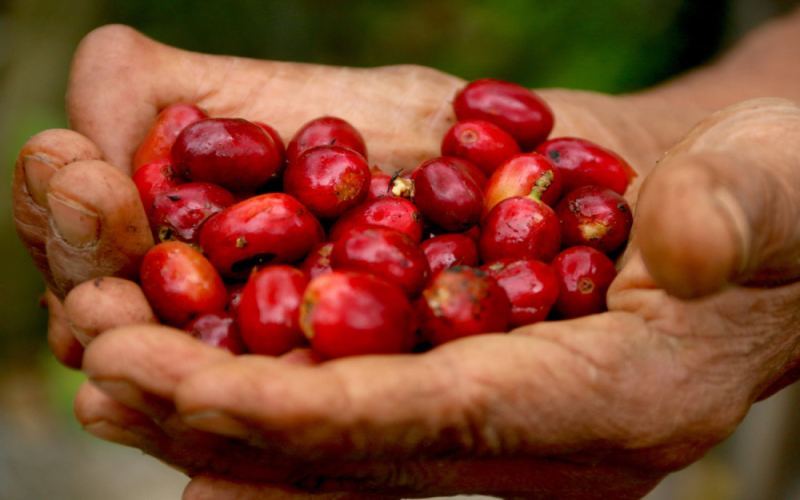
A Complete Analysis of Philippine Coffee Origins: Varieties and Distribution from the Cordillera to Mindanao
When people think of Asian coffee, they often first think of Indonesia's Mandheling or Vietnam's massive scale, but easily overlook the Philippines, which is also located in Southeast Asia. This country, made up of more than 7,000 islands, has fostered several distinctive coffee-producing regions thanks to its volcanic soil, tropical monsoon climate, and abundant rainfall. Currently, the Philippines mainly cultivates Robusta and Liberica, with Arabica accounting for only a small share. Producing areas are usually divided by island or administrative region, covering the Cordillera, Calabarzon, Mimaropa, the Visayas, and Mindanao, with the harvest period concentrated from October each year to March of the following year. This article will sort through the altitude, varieties, and distribution characteristics of each producing area one by one, introducing you to this underrated Asian coffee-producing country. [more…]
A Detailed Guide to Indonesian Coffee Regions, Varieties, and Grades: Flavor and Taste Characteristics of Mandheling G1 Coffee Beans
Indonesia, known as the "Country of a Thousand Islands," is also one of the world's important coffee-producing countries. From the Dutch first introducing coffee seedlings in 1696, to becoming the world's largest coffee exporter in the 18th century, and then to the rise of Robusta after leaf rust dealt a severe blow, Indonesian coffee has gone through a tumultuous history. Today, the distinctive coffee-producing regions on islands such as Java, Sumatra, Sulawesi, Bali, Flores, and Timor together form the diverse landscape of Indonesian coffee. Among them, Sumatra's Mandheling coffee is renowned worldwide for its mellow, rich flavor, while G1 grade represents the high-quality standard in Indonesia's coffee bean grading system. This article will guide you through a systematic understanding of the history of Indonesian coffee cultivation, the distribution of major producing regions, and the classification of varieties and grades, and will also provide an in-depth analysis of the flavor and taste characteristics of Mandheling G1 coffee beans, making it suitable for every coffee-loving reader to savor carefully. [more…]
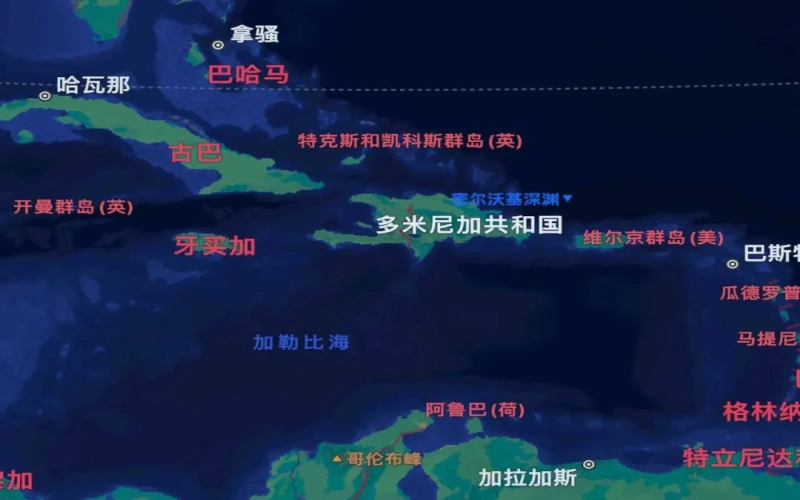
An Analysis of the Dominican Coffee Industry: Growing Regions, Cultivated Varieties, and Island Flavor Characteristics
The Dominican Republic is located in the eastern part of the Caribbean island of Hispaniola, sharing the island with Haiti. It boasts fertile soil, abundant rainfall, and numerous high mountains, making it an important coffee-producing country in the Caribbean. This article will begin with its geographical location, national flag and emblem, and climate and landforms, then systematically review the elevation, variety composition, and flavor characteristics of the Dominican Republic's four major coffee-producing regions, including Barahona, Cibao, the Central Cordillera, Neiba, and Valdesia, and introduce Front Street Coffee's recommendations for Dominican coffee. Whether you are a coffee enthusiast or a professional in the industry, you can gain insight into the unique charm of this island coffee-producing country. [more…]
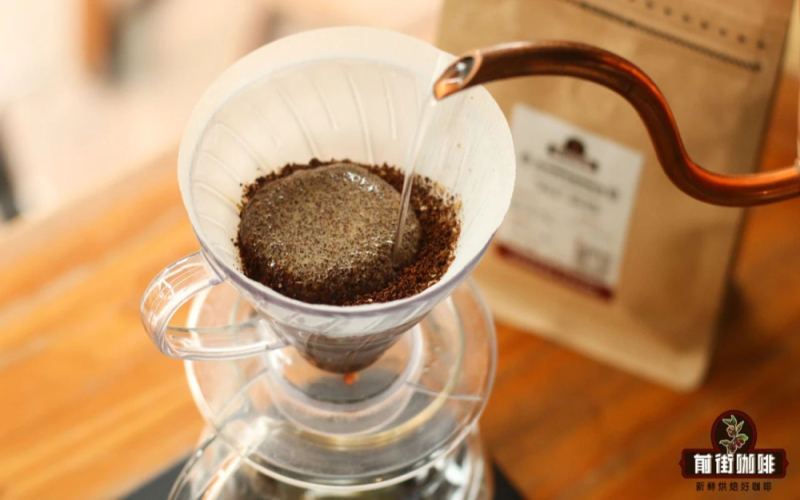
Flavor Analysis of the World's Top Ten Coffee-Producing Countries: From Brazil to Guatemala, a Full Comparison of the Taste Differences Between Mandheling and Blue Mountain
As an agricultural product, coffee's flavor is deeply influenced by the terroir of its origin. The soil, altitude, and climate conditions of different countries give coffee beans vastly different aromas and tastes. This article systematically reviews the flavor characteristics of the world's top ten coffee-producing countries, covering Brazil, Vietnam, Colombia, Indonesia, Ethiopia, India, Honduras, Kenya, Mexico, and Guatemala, and focuses on analyzing the core differences in taste and flavor between Mandheling and Blue Mountain coffee beans. At the same time, the article retains the detailed parameters and brewing flavor descriptions of several representative coffee beans under the Front Street brand, providing coffee lovers with a regional guide that is both informative and practical. [more…]
A Comprehensive Analysis of Flavor Characteristics of Major Coffee-Producing Countries Worldwide and the Choice of Roast Levels
The flavor of coffee is closely tied to the terroir of its origin and its processing method, while the degree of roast determines its final expression in the cup. This article systematically reviews the coffee characteristics of the world's major coffee-producing countries, including Yunnan in China, Brazil, Colombia, Mexico, Hawaii, Indonesia, Costa Rica, Angola, Ethiopia, Jamaica, Kenya, Yemen, Peru, Guatemala, El Salvador, Honduras, and Cuba, covering representative bean varieties, tasting descriptions, and recommended roast levels for each region. It specifically notes that Yunnan coffee has been evaluated by the International Coffee Organization as belonging to the Colombia wet-processed small-bean category, and retains relevant recommendations for the "Front Street" brand. Whether you prefer the mild, moderately acidic and bitter Brazilian beans, or are drawn to the perfectly balanced Jamaican Blue Mountain coffee, you can find flavor guidance here. [more…]
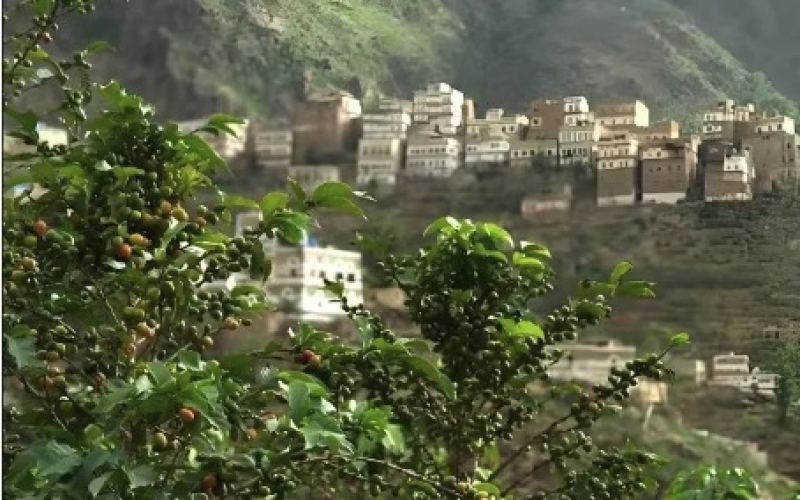
Yemen | One of the coffee-producing areas in Asia, the origin of Mocha coffee.
Yemen is a country in Asia, but it is often mistakenly regarded as an African country. Just across the sea from it is the well-known coffee-producing area of Ethiopia in Africa, and it is also a key port for Ethiopia to access Africa. The Yemen Mocha [more…]
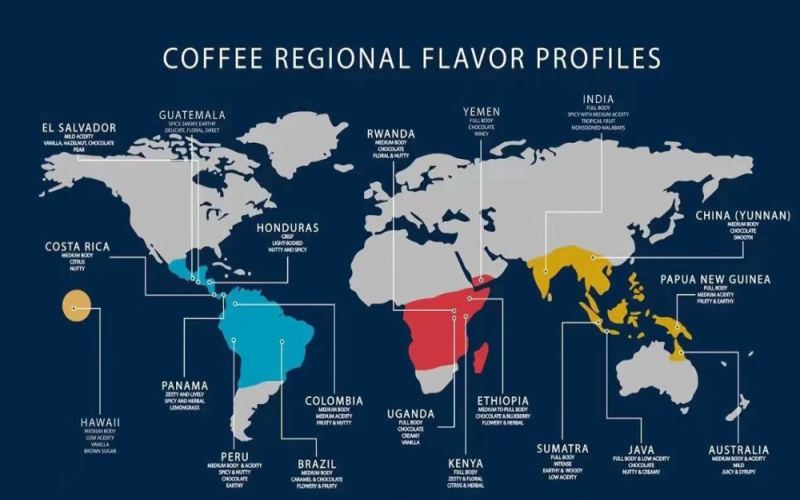
Flavor Analysis of Major Coffee-Producing Countries in the Americas: Coffee Characteristics of Brazil, Colombia, Costa Rica, and Panama
The Americas are one of the most important producing regions on the global coffee map, with Brazil, Colombia, Costa Rica, and Panama each possessing distinct terroir characteristics. This article will guide you through the distribution patterns of the coffee belt and the production landscape, while offering an in-depth analysis of the balanced flavors, processing methods, and representative producing regions of Central and South American coffee. From Brazil's pulped natural Cerrado to Panama's Hacienda La Esmeralda Geisha, from Colombia's washed Caturra from Huila to Costa Rica's Tarrazú with its citrusy acidity, the article also features a selection of specialty coffees from Front Street Coffee corresponding to these regions, helping coffee enthusiasts find their ideal choice based on flavor preferences. [more…]

Colombia's vice president's motorcade was attacked in Cauca Department, and the violent conflict may spread to the country's core coffee-producing region.
On July 10, the vehicle normally used by Colombian Vice President Francia Márquez was shot at in the southwestern region of Cauca. Fortunately, she was not in the vehicle, and no one was injured in the incident. Nevertheless, the attack once again laid bare the long-standing violent conflict and complex security situation in the departments of Cauca and Valle del Cauca. Of particular concern to the coffee industry is that these two departments are not only important coffee-producing regions in Colombia, with a combined annual output of about 140,000 tonnes, but are also home to well-known estates such as Finca El Paraiso, Finca Inmaculada and Finca La Esperanza, making them destinations for many traders and coffee hunters. If the government escalates military operations and triggers large-scale conflict, both local coffee production and export routes via the port of Buenaventura could be severely affected. Front Street Coffee will continue to monitor the subsequent impact of the incident on Colombia's coffee supply chain. [more…]
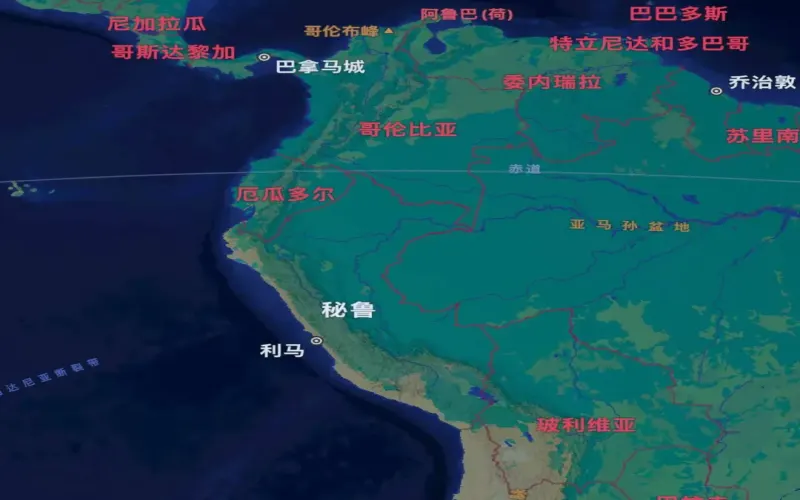
The Terroir Conditions and Flavor Characteristics of Peruvian Coffee Regions: Specialty Coffee on the South American Highlands
In South America, the exceptional soil and growing environment have nurtured numerous coffee-producing countries. Colombia, Ecuador, Brazil, and others are renowned worldwide, while Peru, though low-key, also produces high-quality coffee beans thanks to its excellent mountains, rivers, and soil conditions. This article will guide you through Peru's geographical and climatic features and analyze one by one the cultivation overview and flavor profiles of its three major coffee regions—north, central, and south—so you can experience this South American country's unique charm in the coffee world. [more…]
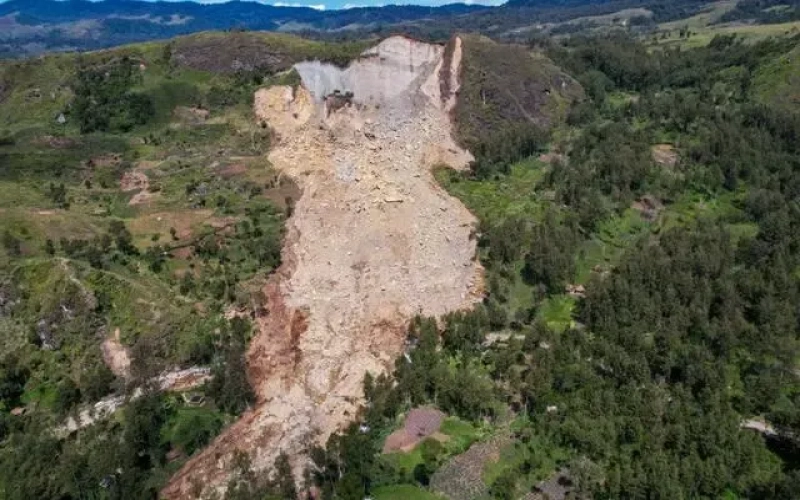
A massive landslide in Enga Province, Papua New Guinea, has buried more than two thousand people, dealing a severe blow to the coffee harvest season.
Recently, the Oceanian nation of Papua New Guinea has been hit by a series of severe natural disasters. A massive landslide occurred in the early hours of the 24th in the Mulitaka area of Enga Province in the north, burying more than 2,000 people, with the death toll now exceeding 670. Months of heavy rainfall that loosened the soil was the main cause of the disaster. The disaster area, Mount Enga, is adjacent to the Western Highlands Province, Papua New Guinea's core coffee-producing region, where coffee is mostly grown in the Waghi Valley. As the coffee harvest season is currently underway, emergency evacuations have left the coffee cherries unpicked, and production is certain to be affected. At least 15 landslides had already occurred in the country previously, and the coffee-producing region of Chimbu Province in the central region was also affected. Several countries have dispatched rescue teams to assist with search and rescue efforts. [more…]
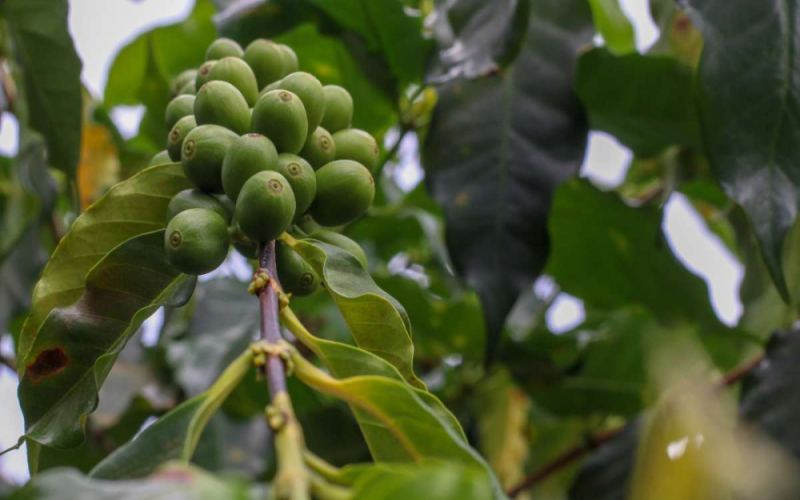
Top Ten Coffee Producing Countries Worldwide: Flavor Characteristics and Taste Analysis of Major Arabica Origins
The coffee tree is an evergreen shrub that thrives in subtropical and tropical regions, mainly distributed across the area between the Tropic of Cancer and the Tropic of Capricorn, a zone also known as the Coffee Belt. However, not every coffee seedling within the Coffee Belt is guaranteed to grow well—other environmental conditions must also be taken into account. Although the coffee tree is a tropical plant, it cannot tolerate extreme heat and humidity, nor can it withstand all-day sunlight. As a result, most coffee is grown on well-drained hillsides, where temperatures are moderate and sunlight hours are shorter than on flat land. It is precisely these conditions that explain why Africa, despite having most of its territory within the Coffee Belt, is not the highest producer. Currently, Asia accounts for 32% of global production, Africa 12%, Central America 13%, and South America 43%. Next, Front Street Coffee will introduce the top ten coffee-producing countries by output and the characteristics of their coffee beans one by one. [more…]